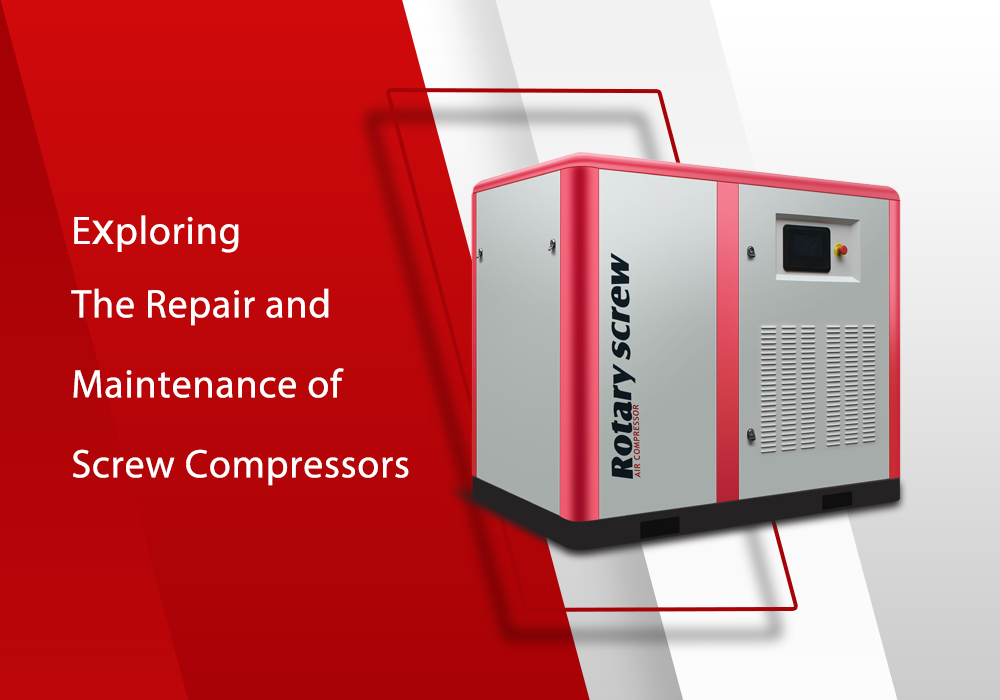

This manual provides a comprehensive step-by-step guide for replacing lubricating oil in an air compressor. It covers pre-change preparations, detailed oil drainage and refilling procedures, oil filter replacement, safety precautions, and post-replacement inspection steps. Suitable for routine and scheduled maintenance, the guide helps operators perform oil changes correctly, extend equipment life, prevent waste, and ensure safe operation. Recommendations are included for initial oil use and determining optimal oil change intervals through oil analysis.
Before You Start
1. Increase Oil Pressure
Build up oil pressure Before changing the oil, run the compressor one last time to raise the oil pressure. You can also briefly restart the unit. This helps the old oil drain out more easily.
2. Shutdown and Cooling
Ensure the air compressor is shut down and allow the unit to cool to ambient temperature before proceeding, preventing hot oil ejection that could cause burns to personnel.
3. Tools and Materials
Prior to replacement, prepare the appropriate grade or brand of new lubricating oil. Additionally, ensure the following essential tools and replacement components are available: drain wrench, oil collection tray, filter wrench, new oil filter element, sealant, and cleaning cloths.
Specific Procedure for Lubricant Replacement
1. Drain the old lubricating oil
Open the air compressor’s drain valve. As oil pressure has been elevated, the oil will drain rapidly. Open the valve slowly to prevent it from being forced out, causing oil splatter. Ensure all old oil is completely drained into the collection tray.
Ensure all residual lubricating oil within the system is fully drained, including from pipelines, oil coolers, oil-gas separators, and other components.
2. Replace the Oil Filter Element
Using a filter wrench, unscrew the old filter element and wipe residual oil from the filter housing surface.
Apply a thin layer of fresh lubricant to the seal ring of the new filter element (to enhance sealing). Hand-tighten the filter until the seal ring contacts the housing surface, then use the wrench to tighten a further quarter turn (avoid over-tightening which may damage the seal).
3. Refilling with Fresh Lubricant
Close the drain valve and pour the prepared fresh lubricant through the open oil filter cap;
Close the air filler cap. Do not start the engine immediately after refilling; allow it to settle for 5 minutes.
Note: If it is the first time to use an oil injected air compressor, the time of replacing the oil is harder to confirm, you can send the lubricating oil sample back to Elang for oil quality test after using the oil for 500 hours. Repeat the above steps every 1000 hours, and after several times, Elang can estimate a more accurate oil change period of the air compressor for you and avoid waste.
Start-up Inspection
Start the air compressor and run it for 5–10 minutes. Observe whether the oil pressure remains within the upper and lower limits of the gauge. Inspect for oil leakage at the drain valve and filter element.
After shutdown, recheck the oil level to confirm compliance with standards.
Record Information
Document the replacement date, lubricant grade, brand, and quantity added. Maintain a dedicated equipment maintenance log for future reference during subsequent replacements.


-66x66.webp "Screw Air Compressor Maintenance Instruction")